Our Core Services
Installations, Repairs, and Relocation

Network Cabling

Access Control Systems

Video Surveillance Solutions

Burglar Alarms
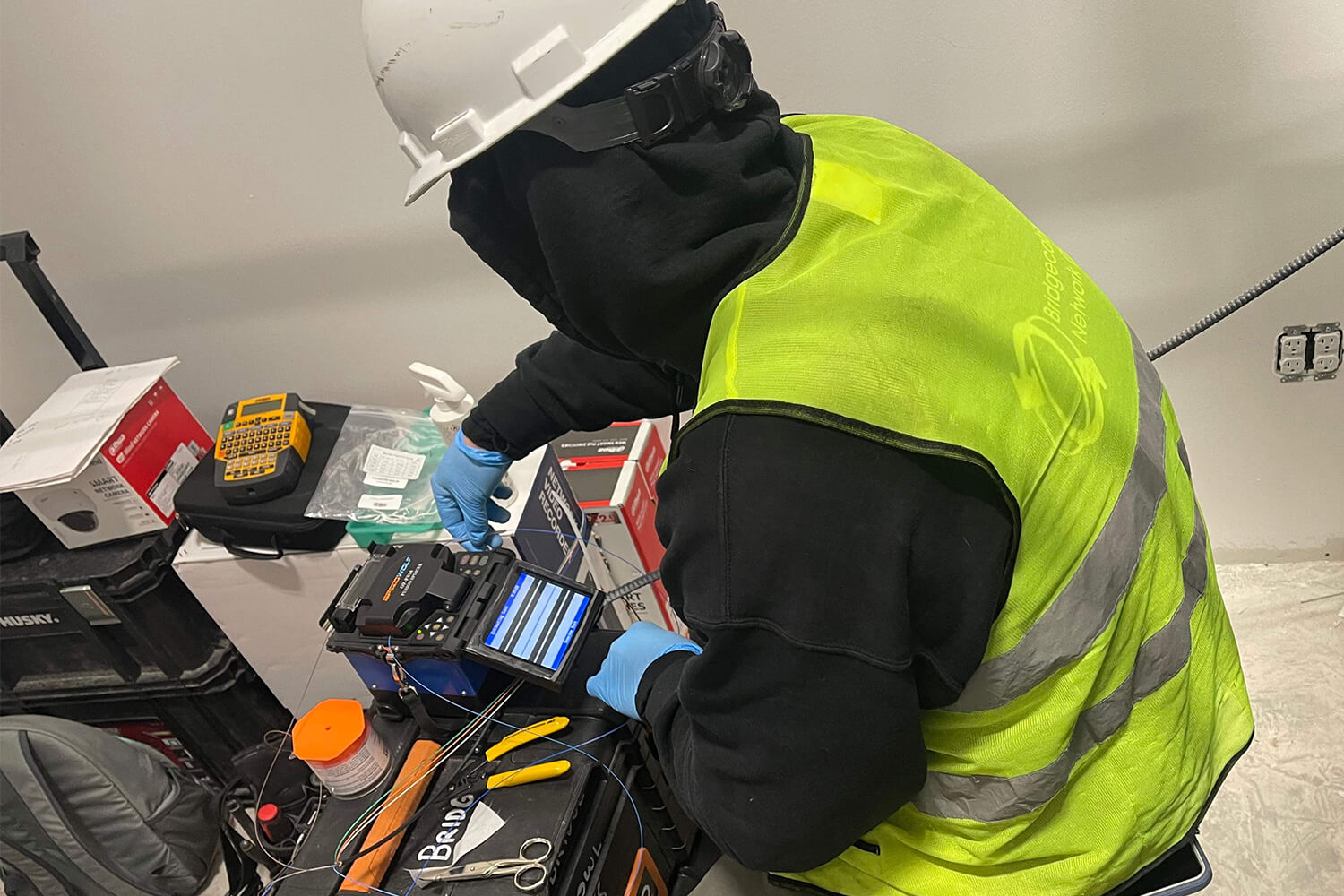
Fiber Optic Installation
We Are Proud to Work With
































































Serving Locations In
Eastern Pennsylvania, New Jersey, and Delaware
From our headquarters in Philadelphia, our expert technicians are well positioned to assist with your network cabling needs. Our onsite techs are handpicked for each project and local residents in your town. We believe in a relationship approach and enjoy watching our clients grow and expand.
Not sure if we service your area? Give us a call at (877) 832-1206 and we’ll be happy to help determine if your location is within our service area.
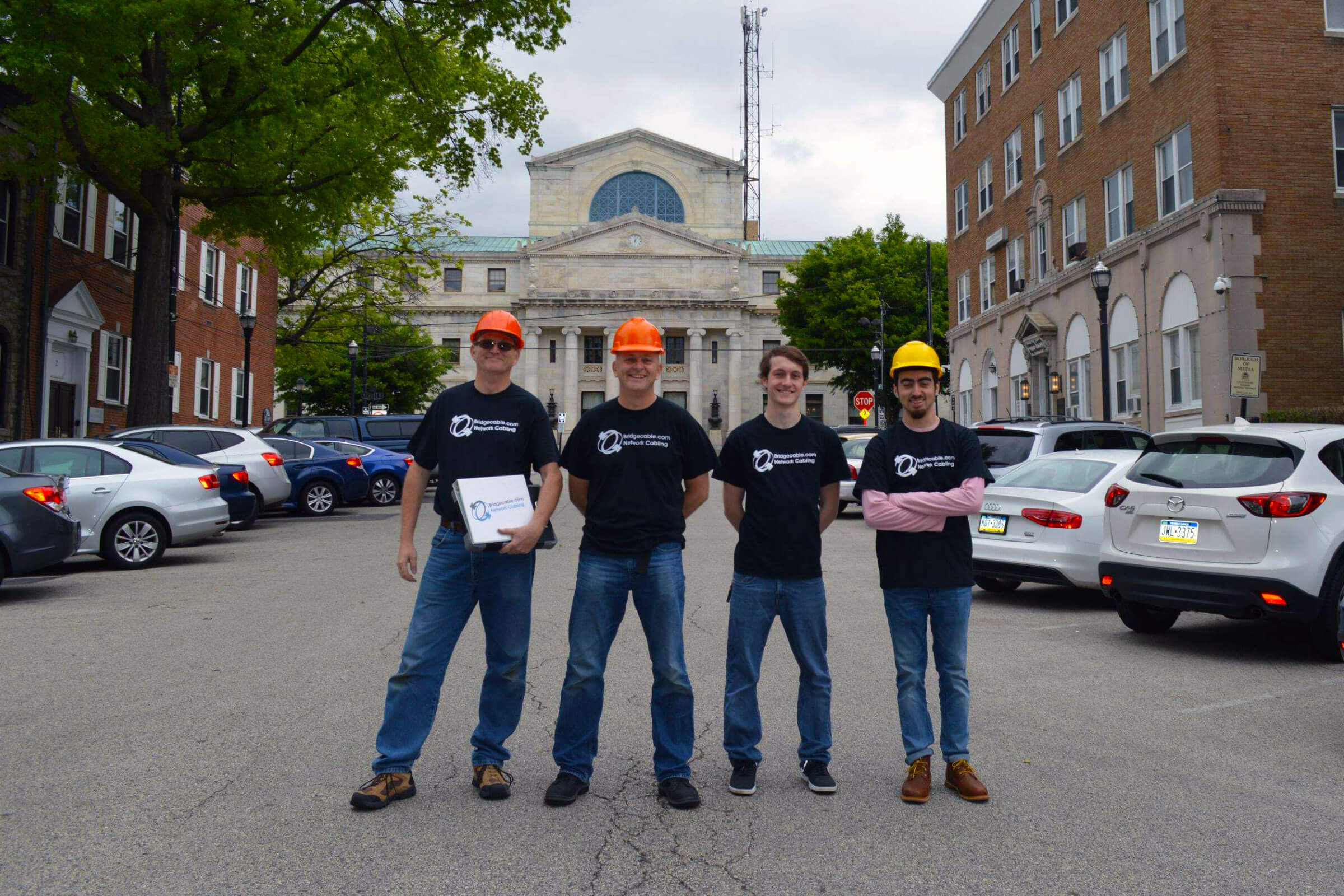
About Us
We Do It All
- IT Services and Setup
- Structured Cabling Services
- Cabling Installations – Voice, Network Data, and Fiber
- DEMARC Extensions and Backbones
- Cable Testing – Category 5e, 6, 6A and Fiber Certifications
- M.A.C.’s – Moves, Adds, and Changes
- Security Cameras Cabling and Setup
- Point of Sale and Retail Systems Cabling
- Design and Installation of Data Centers
- Other Low-Voltage Installation Projects
Industries We Serve
Healthcare
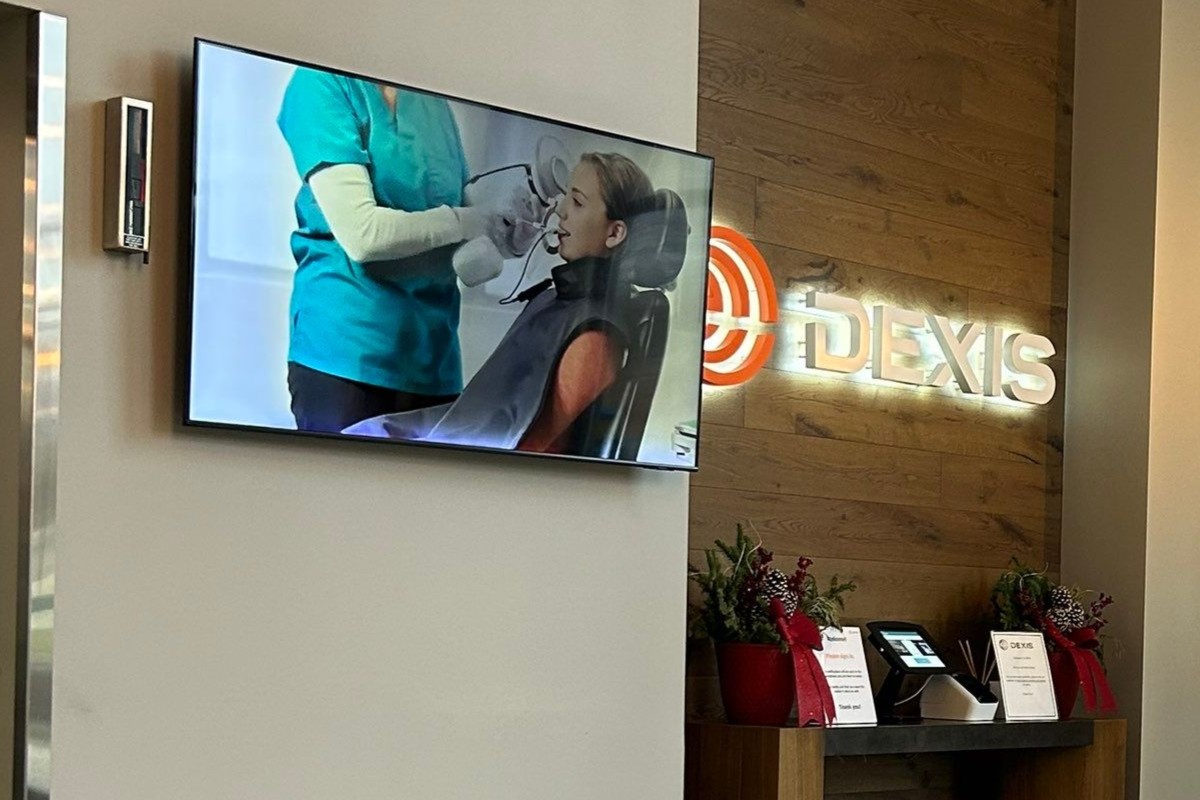
Bridge Cable: Healthcare’s Partner in Network Cabling Services
In healthcare, technology plays a critical role in delivering exceptional patient care, streamlining operations, and maintaining security. At Bridge Cable, we specialize in providing custom cabling solutions that power the essential systems healthcare facilities rely on every day.
From hospitals and clinics to specialized care centers and medical offices, our services are designed to meet the unique demands of the healthcare industry.
Government

Network Cabling Solutions for Secure and Compliant Government Facilities
Government agencies require secure, high-performance networks to ensure smooth operations and protect sensitive data. At Bridge Cable, we specialize in providing network cabling services tailored to meet the specific needs of government facilities.
Our expertise spans federal, state, and local government projects, and we take pride in delivering secure, scalable, and compliant solutions across the Philadelphia, New Jersey, and Delaware regions.
Education

Empowering Education with Smart Network Cabling Solutions
Educational institutions face unique challenges when it comes to creating a reliable, secure, and efficient network infrastructure. At Bridge Cable, we specialize in delivering tailored cabling solutions that support learning environments, from early childhood education centers to universities.
Our work ensures that students, staff, and administrators can access fast, dependable technology in every corner of their campus.
Hospitality / Housing

Expert Network Cabling Services for the Housing and Hospitality Industry
Bridge Cable leads the way in providing tailored network infrastructure to the hospitality and housing industries. We have worked with key partners like Comfort Inn, SpringHill Suites, Bridgeview Apartments, and The Pod Hotel.
Whether it’s enhancing guest experiences in hotels or improving connectivity in residential buildings, we deliver top-quality cabling solutions across the tri-state area.
Transportation
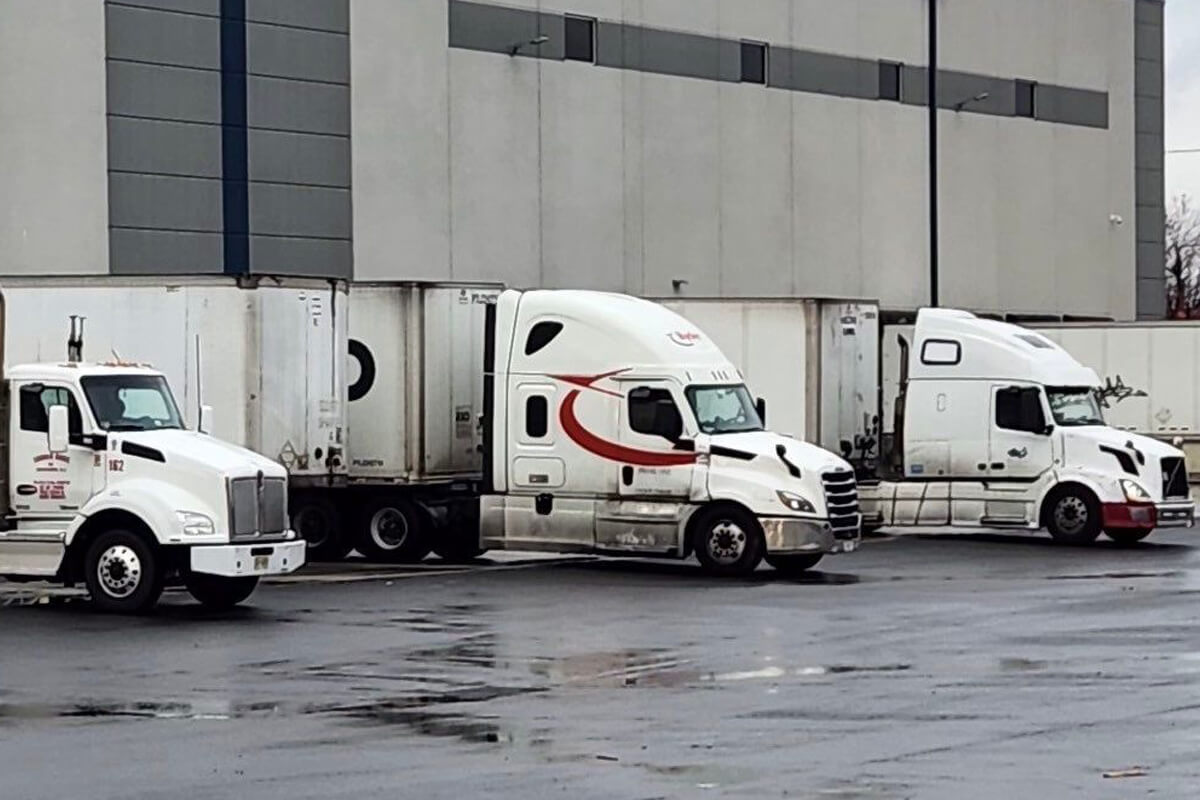
Customized Structured Cabling Solutions to Move Transportation Forward
In the fast-paced transportation industry, seamless communication and reliable operations are critical to success. Whether it’s an automotive dealership, a logistics hub, or a public transportation center, each segment depends on a network infrastructure that can handle the specific demands of the business.
At Bridge Cable, we provide customized structured cabling solutions that are uniquely designed for the diverse needs of transportation companies. From car dealerships to large-scale logistics operations, our expertise ensures your business stays connected and efficient.
Retail

Optimizing Connectivity for Retail Success with Network Cabling Services
In today’s fast-paced retail environment, a robust and reliable network infrastructure is essential for ensuring seamless operations and delivering exceptional customer experiences.
Whether it’s handling high volumes of point-of-sale transactions, enabling secure Wi-Fi for customers, or supporting a store’s inventory management system, Bridge Cable specializes in providing tailored network cabling solutions for retail businesses.
Warehouses
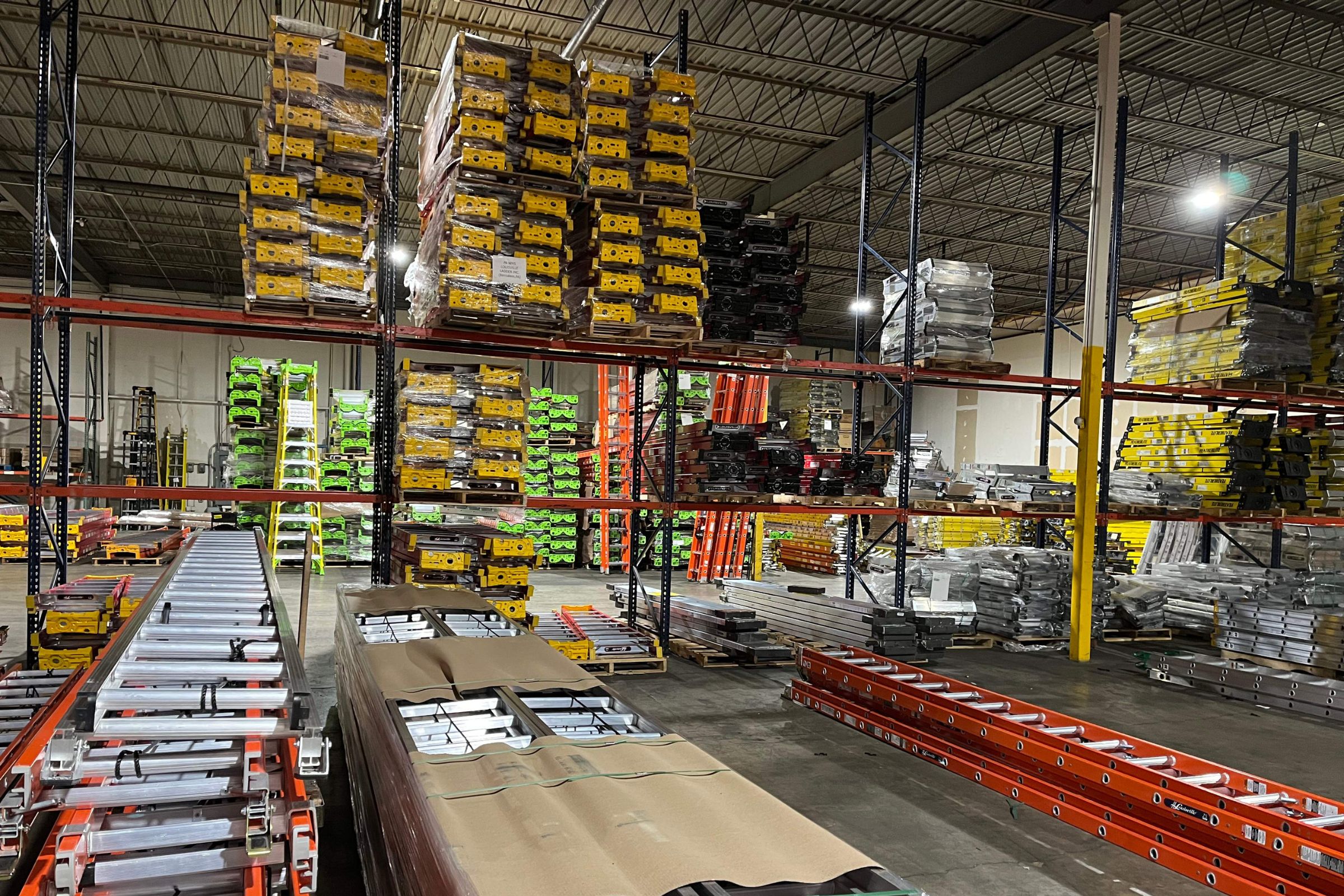
Structured Cabling and Security Solutions for Warehouses
In today’s logistics and distribution-driven economy, warehouses serve as the critical link between manufacturers and customers. Efficient operations, robust communication networks, and strong security systems are essential to keeping these facilities running smoothly.
Bridge Cable offers specialized network cabling and security solutions tailored to meet the complex needs of warehouse environments. Whether it’s optimizing inventory management, enhancing communication, or safeguarding your assets, Bridge Cable provides services that ensure your warehouse operates seamlessly and securely.
Data Centers

Unmatched Network Cabling Services for Data Centers
A tangled mess of cables leads to confusion, overheating, and errors. Bridge Cable delivers organized cabling systems that make troubleshooting easier, improve airflow, and keep your data center running at peak efficiency. Cheap cables lead to costly problems. We only use top-tier materials that ensure your system will stand the test of time, providing consistent performance with minimal need for replacement or repairs.
Our team of experienced technicians knows exactly what it takes to install, manage, and maintain cabling systems in high-demand environments like data centers. We bring attention to detail, speed, and quality to every project.
Luxury & Entertainment

Elevating Entertainment and Luxury Experiences with Network Cabling
In the world of luxury and entertainment, where every second counts and high-quality experiences are expected, a seamless network infrastructure is essential.
Bridge Cable is proud to be the top provider of network cabling solutions for the luxury and entertainment industry in the tri-state area. We’ve worked with major names like HBO, NASCAR, Santander Arena, and AMC, helping them deliver unforgettable experiences through flawless connectivity.
Dining
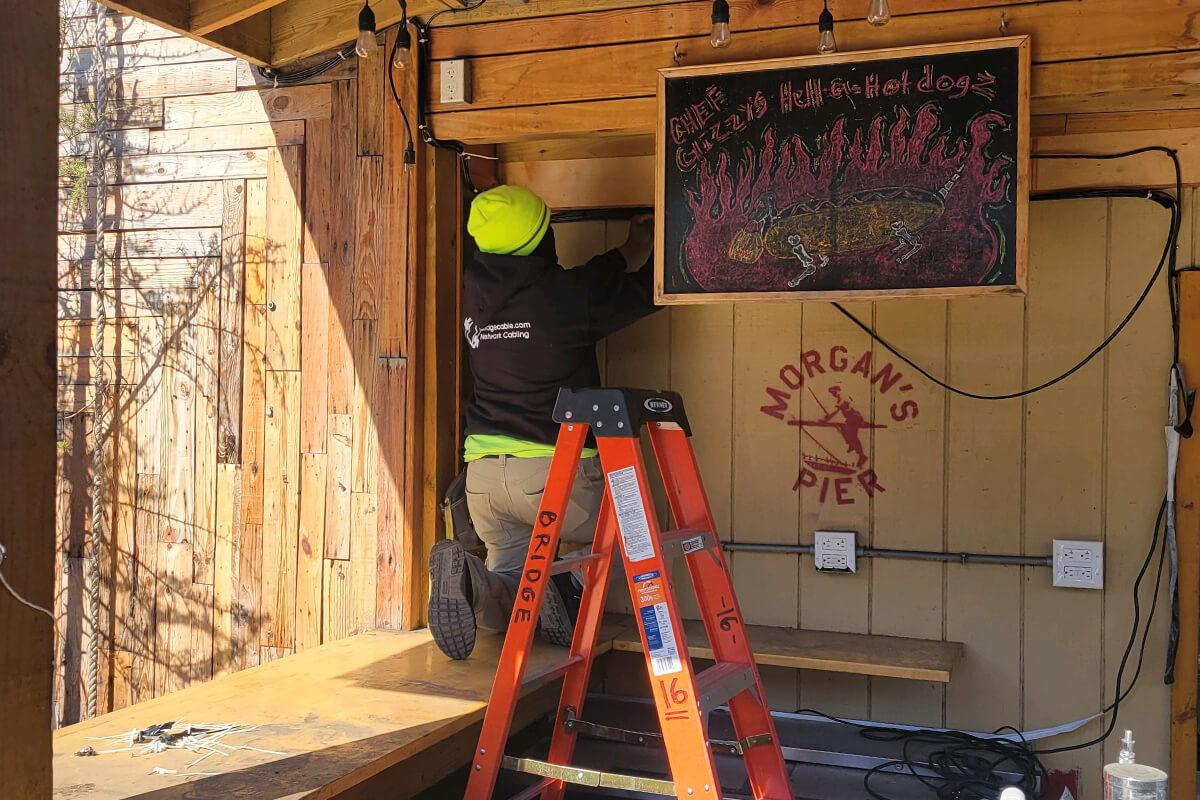
Serving Top of the Line Network Cabling Services for the Dining Industry
Security is essential in dining establishments, and Bridge Cable provides the cabling solutions to support it.
High-definition video surveillance ensures both staff and customers are protected by monitoring key areas like dining spaces, entrances, and kitchens, with footage stored securely. Our network also powers advanced access control systems, limiting entry to sensitive areas such as offices and storage rooms to authorized personnel only. Integrated alarm systems alert owners to any security breaches, while employee monitoring systems in larger restaurants help managers track staff movement and productivity, ensuring smooth operations.
Corporate & Office Spaces
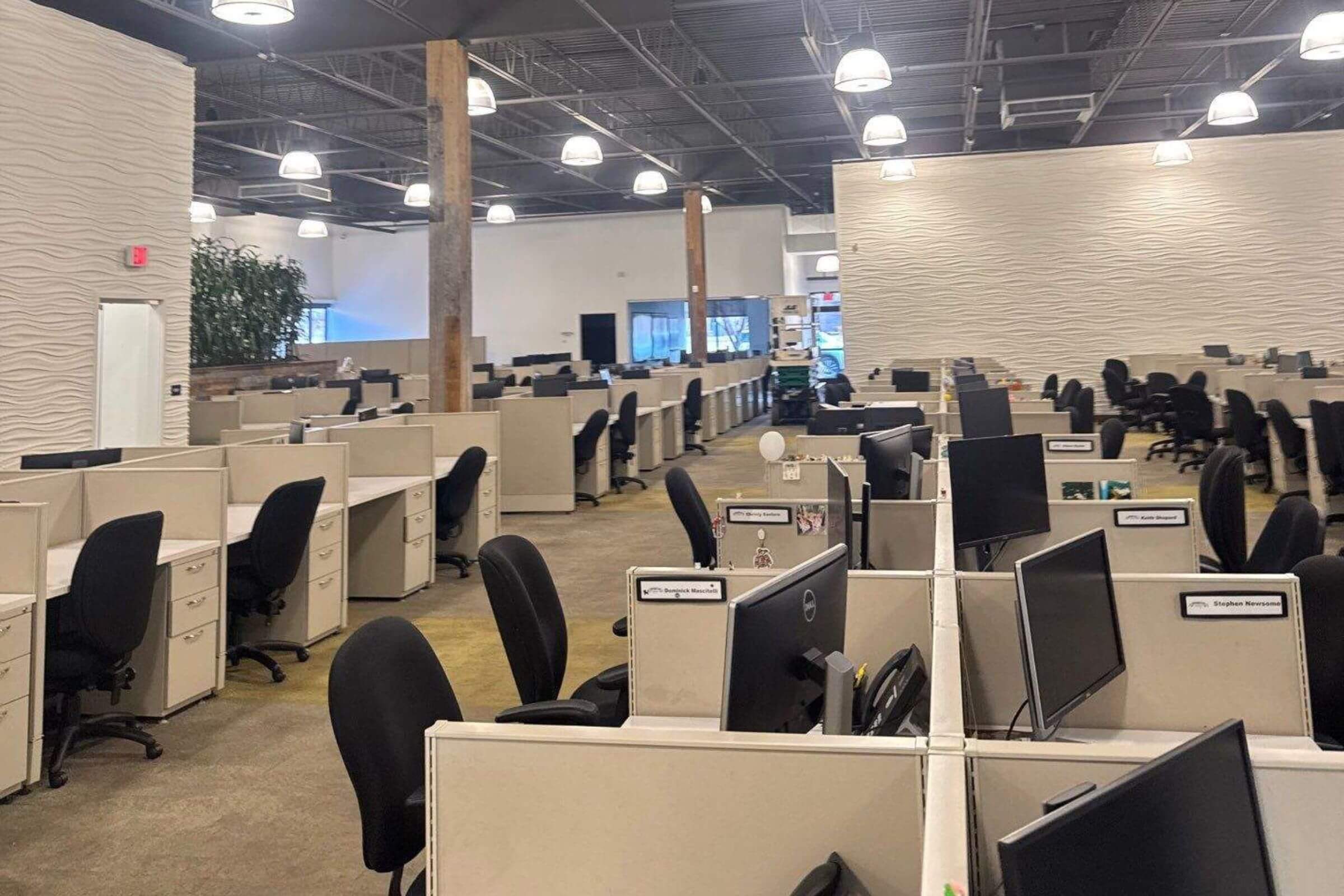
Supporting Reliable Network Infrastructure for Corporate and Office Spaces
Our partnerships with respected organizations such as Canon, Brixmor Property Group, and CDW underscore our commitment to excellence in the corporate sector.
We understand the complexities of modern office environments and are dedicated to providing the network cabling solutions that support operational success.
Manufacturing Facilities

Experts in Providing Manufacturing Facilities with Network Cabling Solutions
Bridge Cable partners with industry leaders such as SPS, Seakeeper, and Envista to ensure these facilities are equipped with the network cabling solutions necessary for success in today’s competitive landscape.
This collaboration not only enhances operational efficiency but also positions our clients for future growth in an increasingly digital world.
New Construction
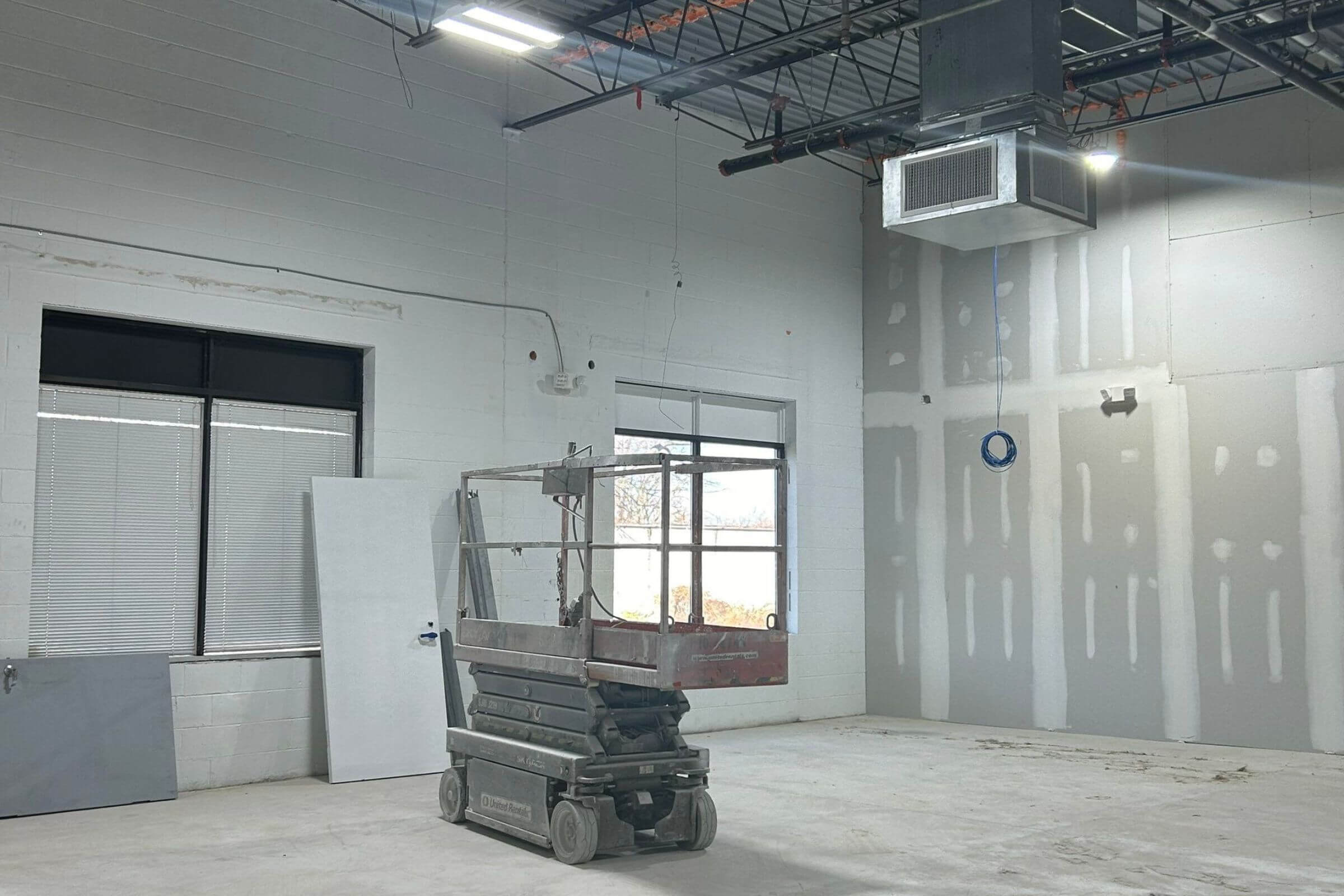
Trusted Partner to Leaders in New Construction
Bridge Cable works closely with construction leaders to support their projects with robust connectivity solutions that anticipate future demands. As a trusted partner to clients such as Procrocci Brothers, ABA Centers, and Agilent Technologies, we’re dedicated to equipping new builds with the foundations needed to serve today’s needs and tomorrow’s technological advancements.
Our work in new construction spans diverse sectors, each with unique requirements and opportunities, and our experience positions us to deliver solutions that elevate the functionality and adaptability of modern buildings.
Residential
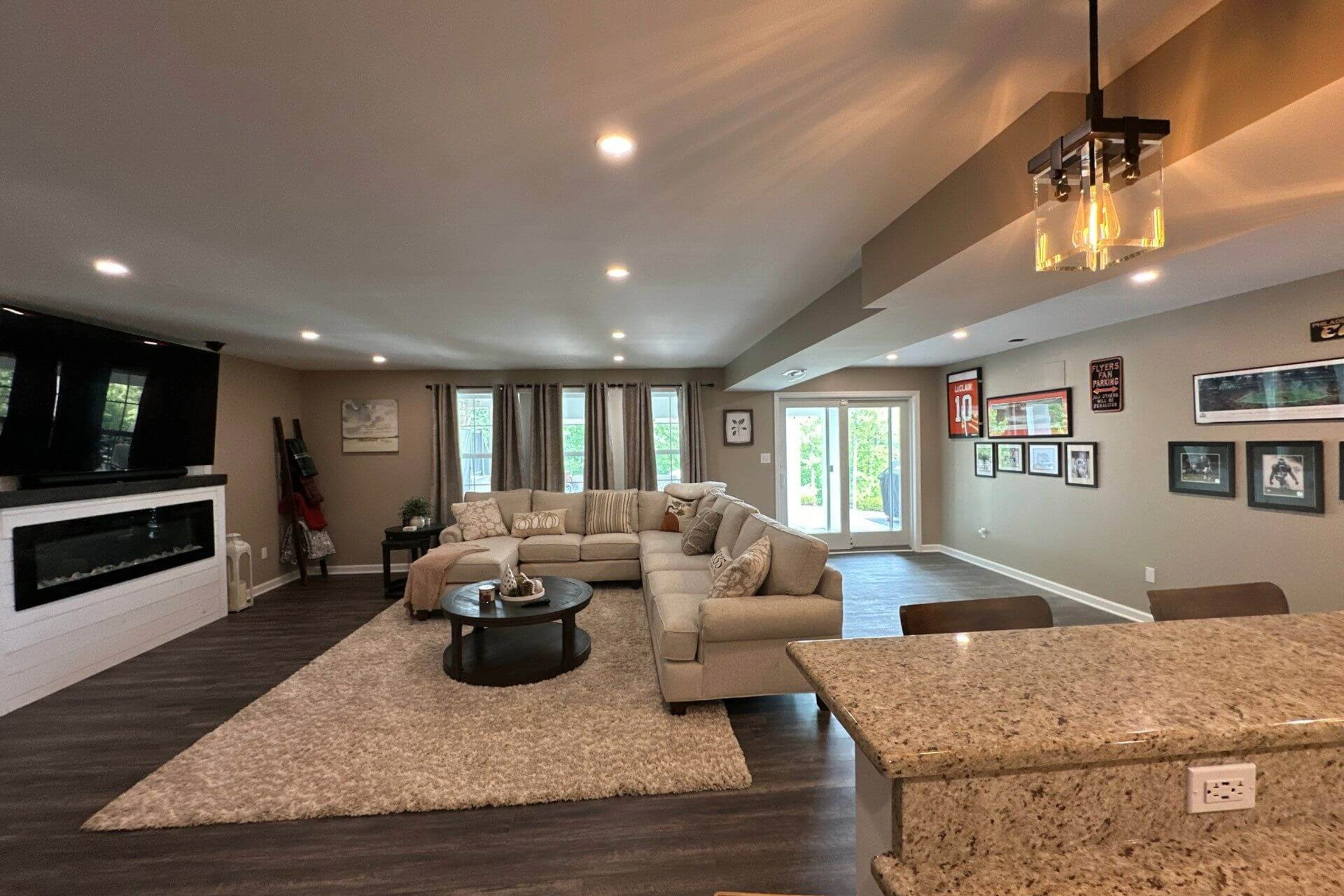
Residential Network Installation
Bridge Cable is a trusted leader in providing comprehensive residential services, offering a wide range of customizable solutions to enhance the functionality and security of homes. Our installation expertise includes video surveillance systems, access control systems (including door access control systems), and cable management solutions to ensure clean, efficient setups.
We also specialize in TV mounting for seamless entertainment experiences and fiber optic cabling installation to support high-speed internet and advanced technology. Our team works closely with homeowners to deliver customized solutions tailored to their unique needs. With years of experience, we are committed to delivering high-quality, reliable solutions that meet the evolving needs of homeowners.
Bridge Cable Knowledge Center
Browse expert insights, helpful guides, and resources to make smarter decisions about your cabling, security, and network systems.
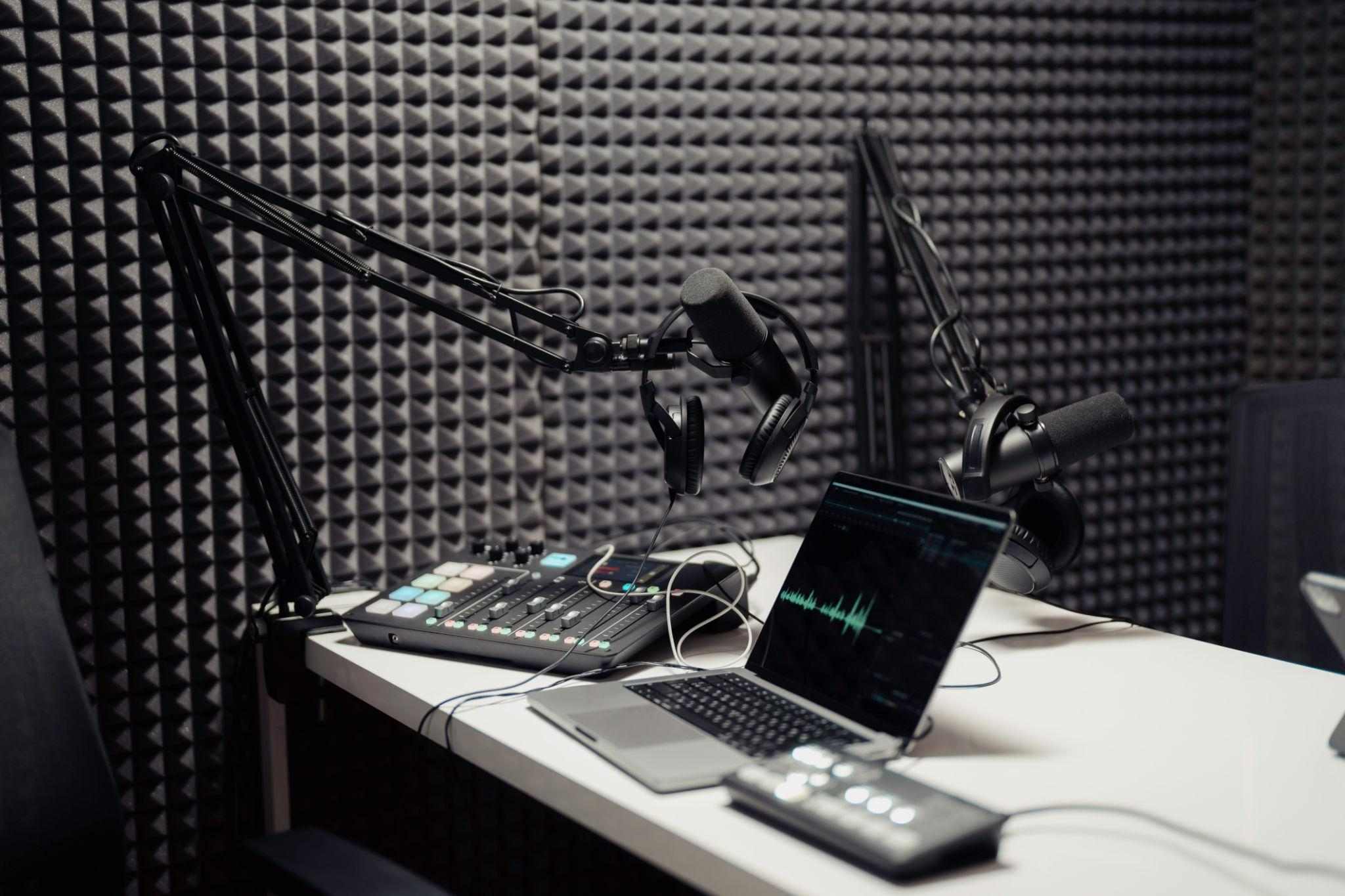
How Structured Cabling Supports Podcasters and Live Streamers
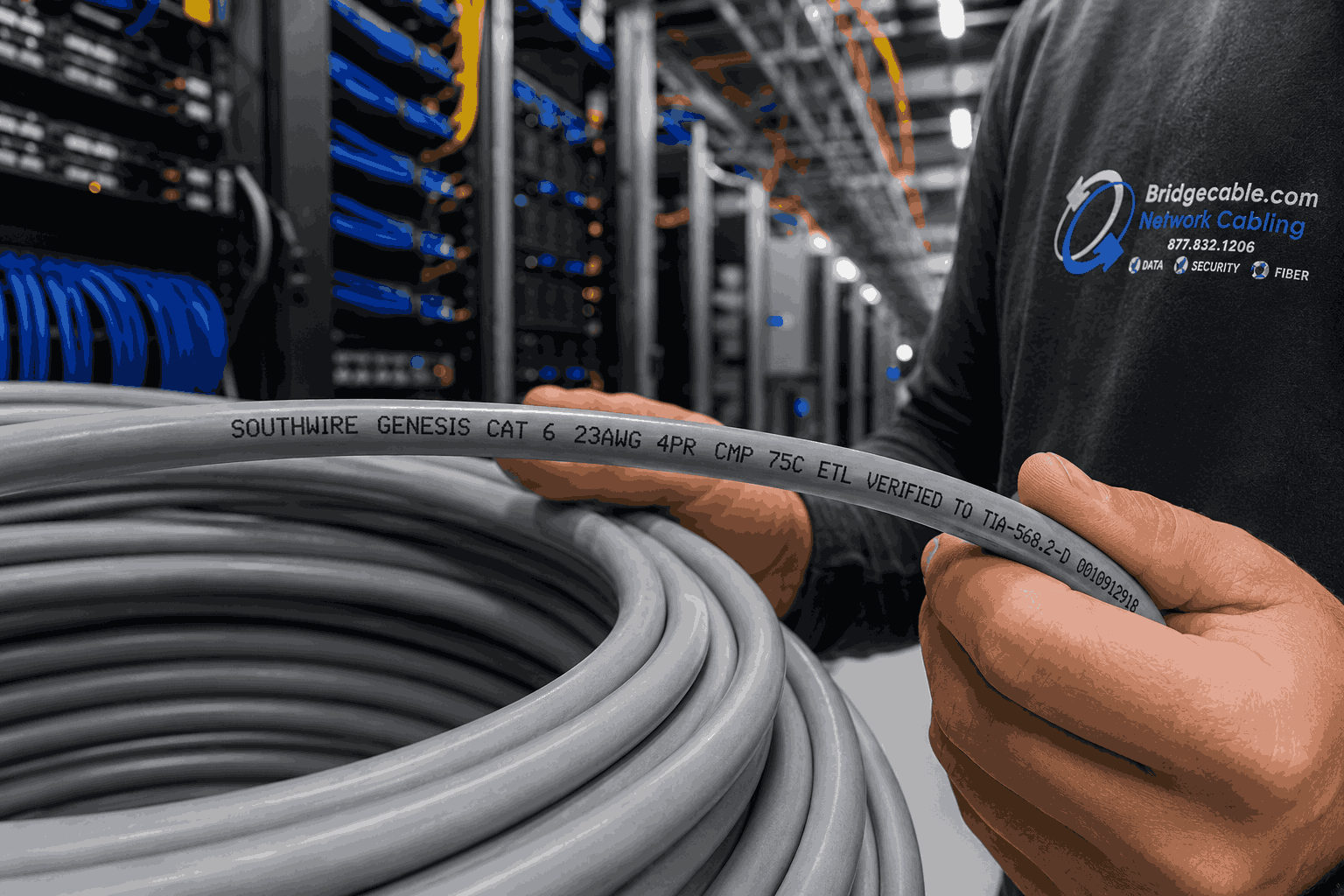
How to Read Genesis/Southwire Cable Part Numbers: A Complete Guide by Bridge Cable
Designed and developed by
